
The Work and Joy of Carrying a Place Forward
What Sneinton Market in Nottingham, England, taught us about stewardship, adaptive reuse, and the conditions that allow creative communities to take root.
A recent visit to Nottingham, England, led us through a set of brick buildings with wide pedestrian walkways known as Sneinton Market Avenues.
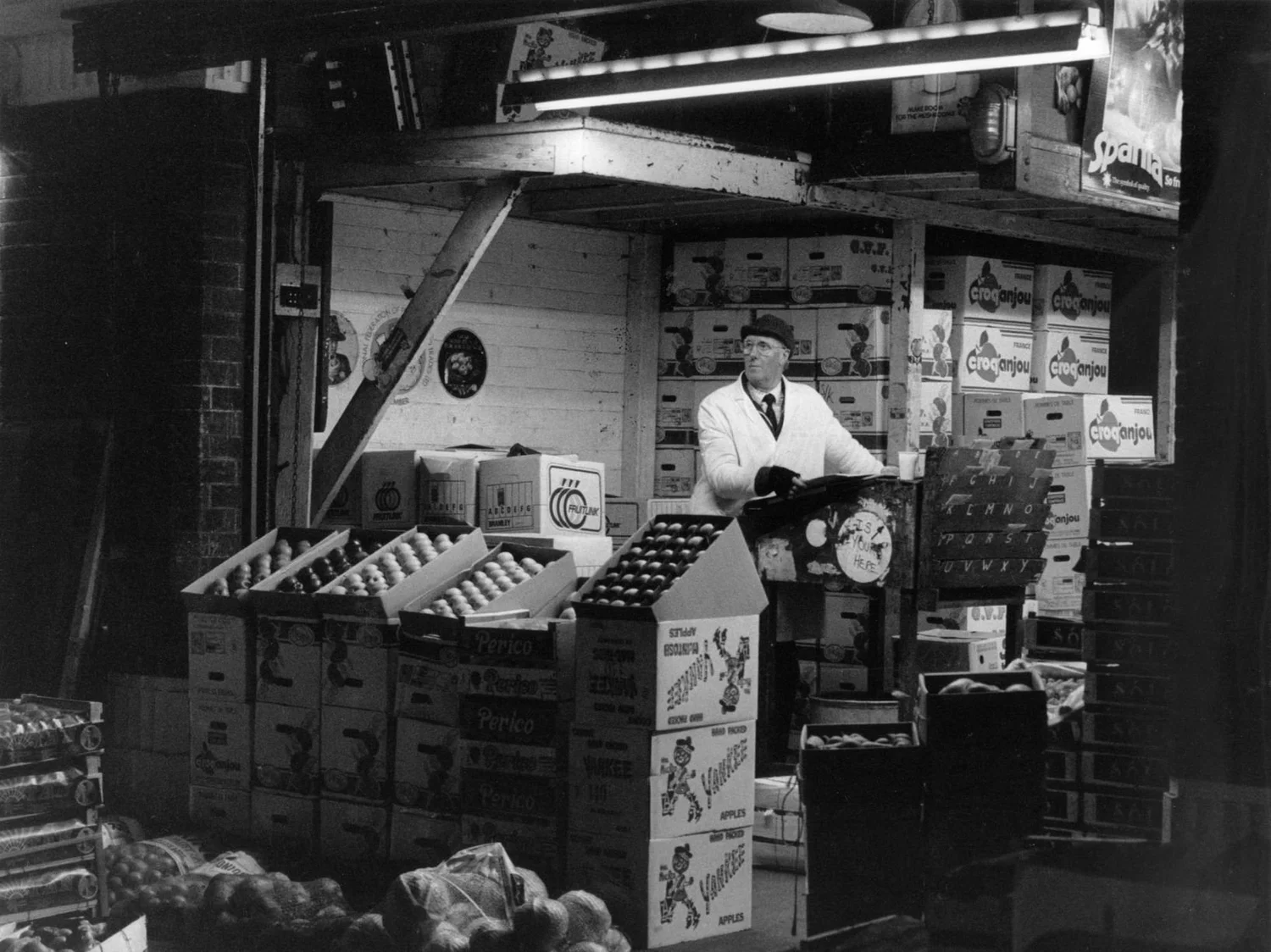
Built in the 1930s for the city’s bustling wholesale fruit and vegetable market, the compact trading units once received produce in the early hours of the morning before it made its way to shops across the region. By the end of the twentieth century, changes in how people shopped and the relocation of the wholesale market had left the site largely vacant and deteriorating.
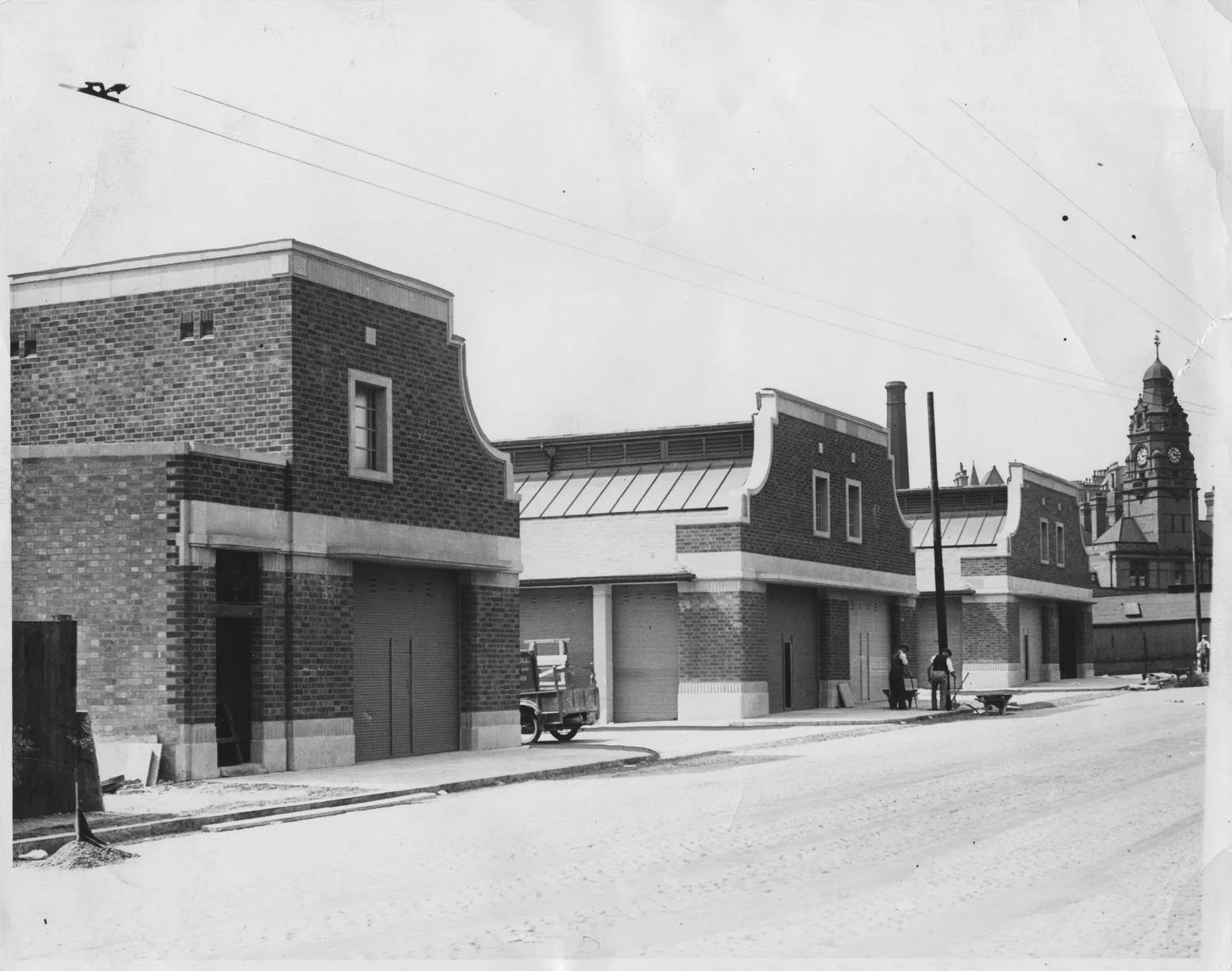
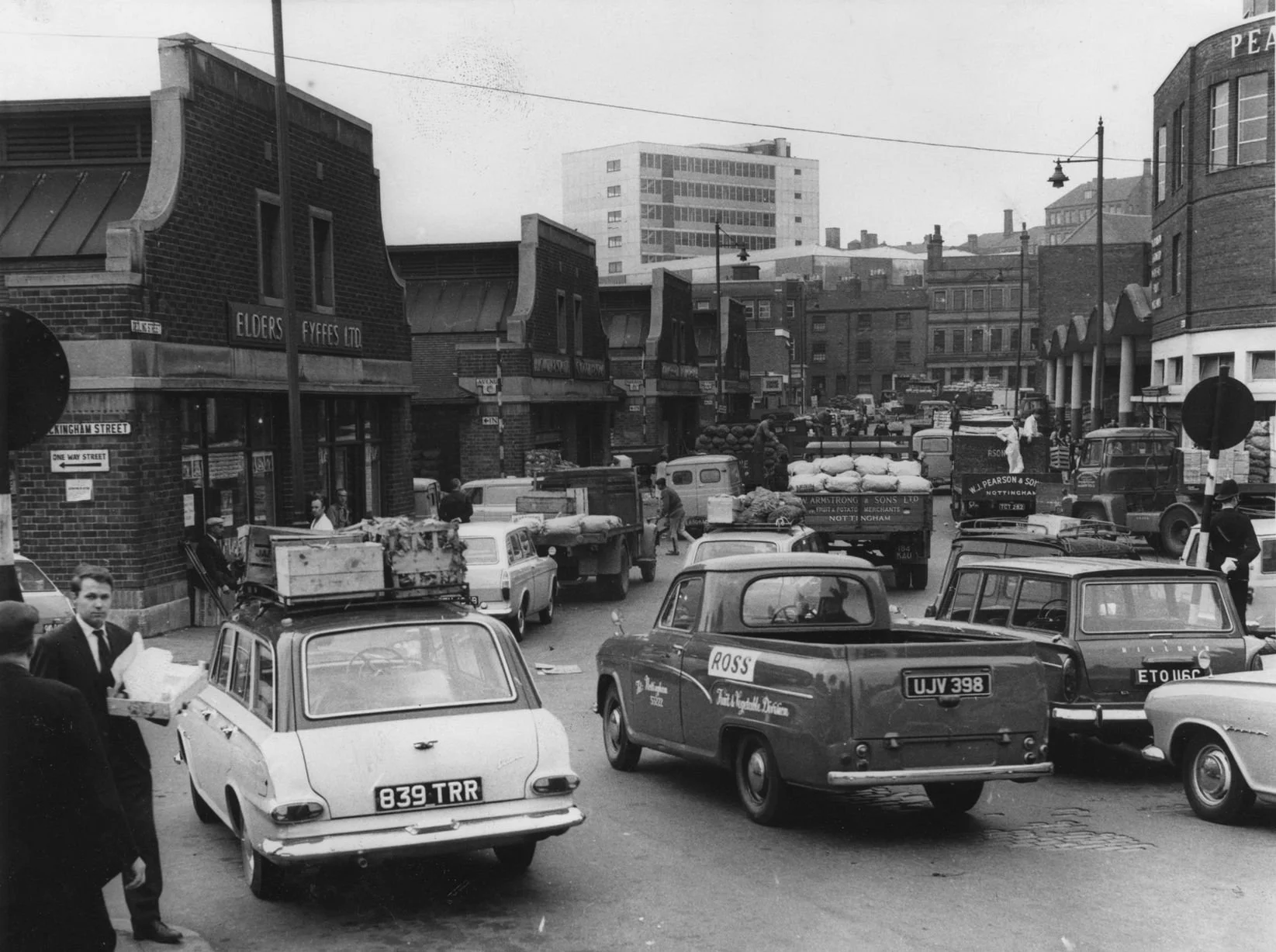
Photos: Sneinton Market, 1930-1965. Images via Sneinton Market Avenues.
Today, its avenues are filled with color, conversation, and the visible activity of people making things.
More than forty independent businesses now work within the restored market units. Textiles spill from shelves inside clothing studios. An illustrator sells prints beneath the high ceiling of her shop. Plants climb toward old skylights. The smell of coffee roasting mingles with bread and pastry from a bakery where the work begins at 2:00 in the morning, using wheat grown and milled locally.
Visitors can take a Vietnamese cooking class, learn woodworking, or browse an antique shop that feels like wandering through the attic of your most eclectic aunt. Elsewhere, there are art supplies to buy, work tucked into unexpected corners, and Jamaican patties from a recently opened Caribbean bakehouse. Outside, people linger while the sounds of studios, cafés, conversation, and rollerskaters travel through the surrounding lanes.
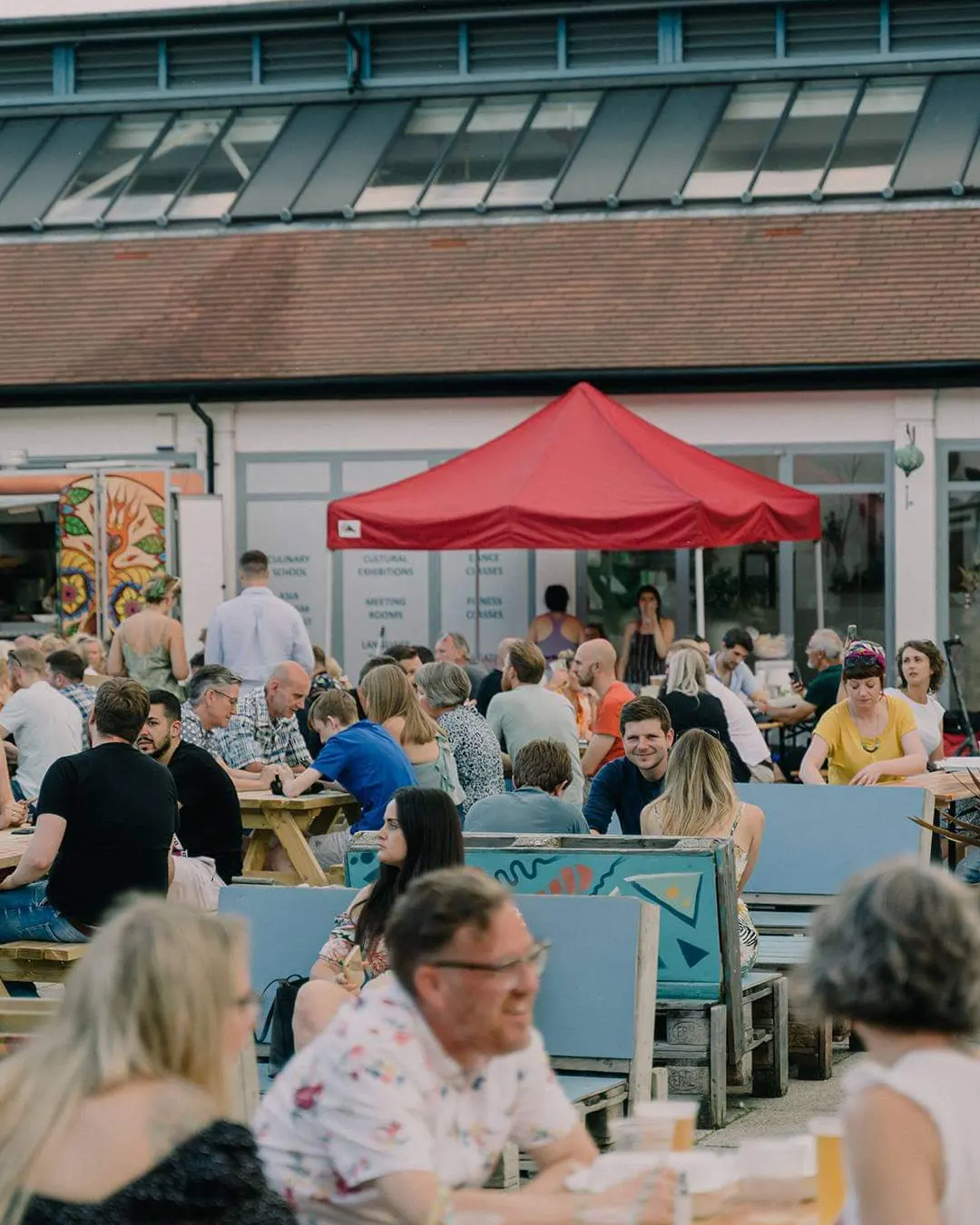
Photo: The public visiting Sneinton Market. Image via Sneinton Market Avenues.
But what becomes especially noticeable after spending time there is how much the businesses exist in relationship with one another.
The windows of a coffee shop are painted by a neighboring artist. A framed drawing hanging in the local mill cooperative was made by an illustrator working nearby. Beans roasted within the Avenues are served at the local café. That same café advertises life-drawing sessions happening a few doors away. Businesses recommend one another, buy from one another, share customers and resources, and visibly celebrate what others are making.
Individual storefronts retain the unmistakable personalities of the people inside them, but together they create something larger: an ecosystem of creative activity built through proximity, exchange, and mutual support.
The experience offers an immediate sense of creative life in motion. It also reveals how much patient work is required for such an ecosystem to emerge.
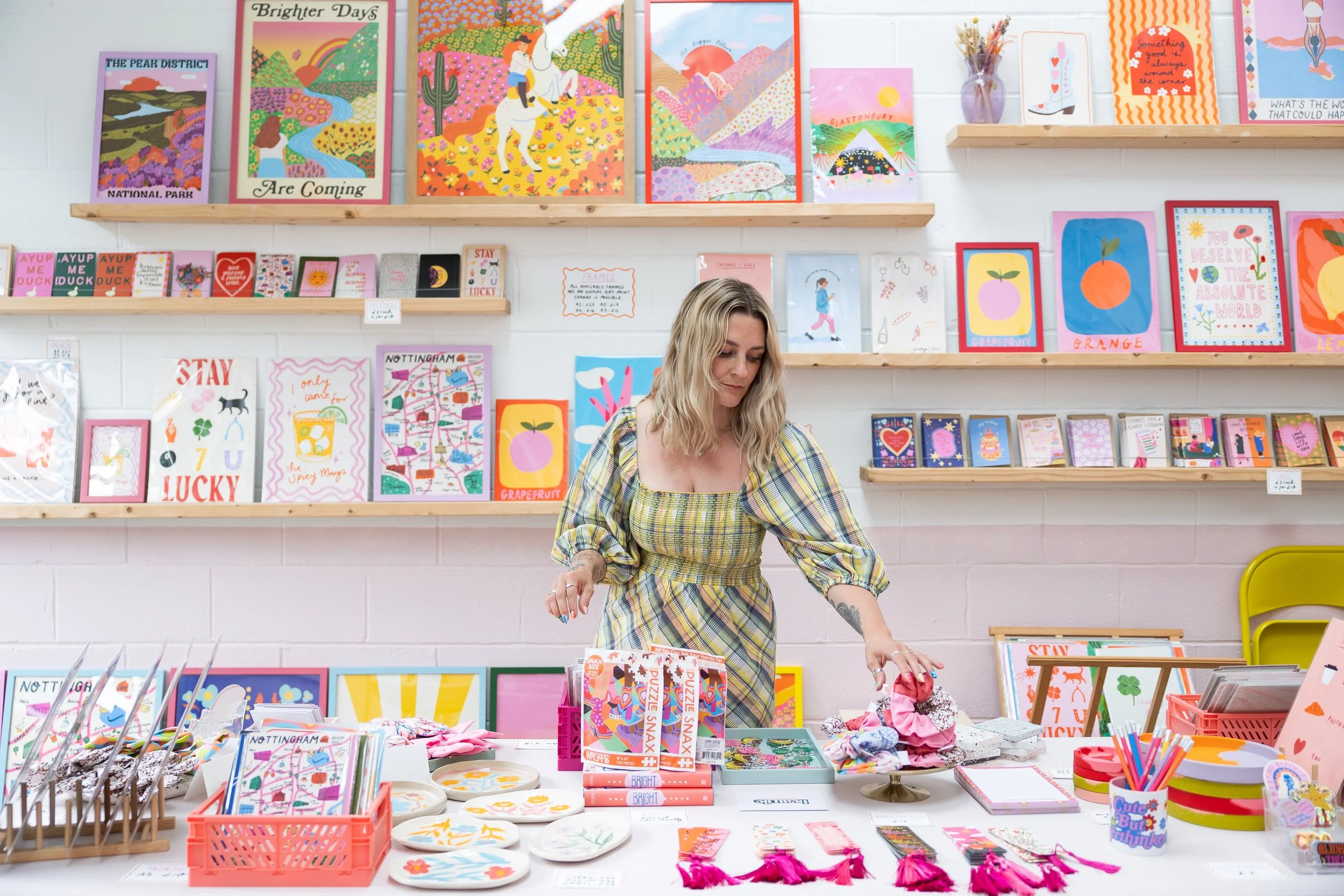
Photo: Inside Emmy Lupin Studio, an illustration and art studio at Sneinton Market. Image via Emmy Lupin Studio.
What a Historic Place Makes Possible
Sneinton Market’s revival developed over time through the combined efforts of grassroots artists, independent businesses, Nottingham City Council, public investment, private development, and the surrounding community. Artists began establishing studios nearby while the market remained in decline. Restoration later made the historic units usable again, and early creative tenants helped other small businesses imagine a future there.
Adaptive reuse begins with something already there. A building carries materials, craftsmanship, memory, and a physical relationship to the community around it. Reusing it also retains much of the energy and resources already invested in its construction — one reason research has found that rehabilitation generally carries a lower environmental impact than demolition and rebuilding.
Its impact can extend well beyond the building itself. Since 1976, projects supported through the Federal Historic Preservation Tax Incentives Program have leveraged more than $257 billion in private investment and generated more than 3.4 million jobs, according to the National Park Service. At Sneinton, those enormous figures become visible at a much more human scale: once-vacant spaces occupied by independent businesses, people arriving on foot, money circulating among neighboring businesses, and relationships forming through the ordinary activity of a place being used again.
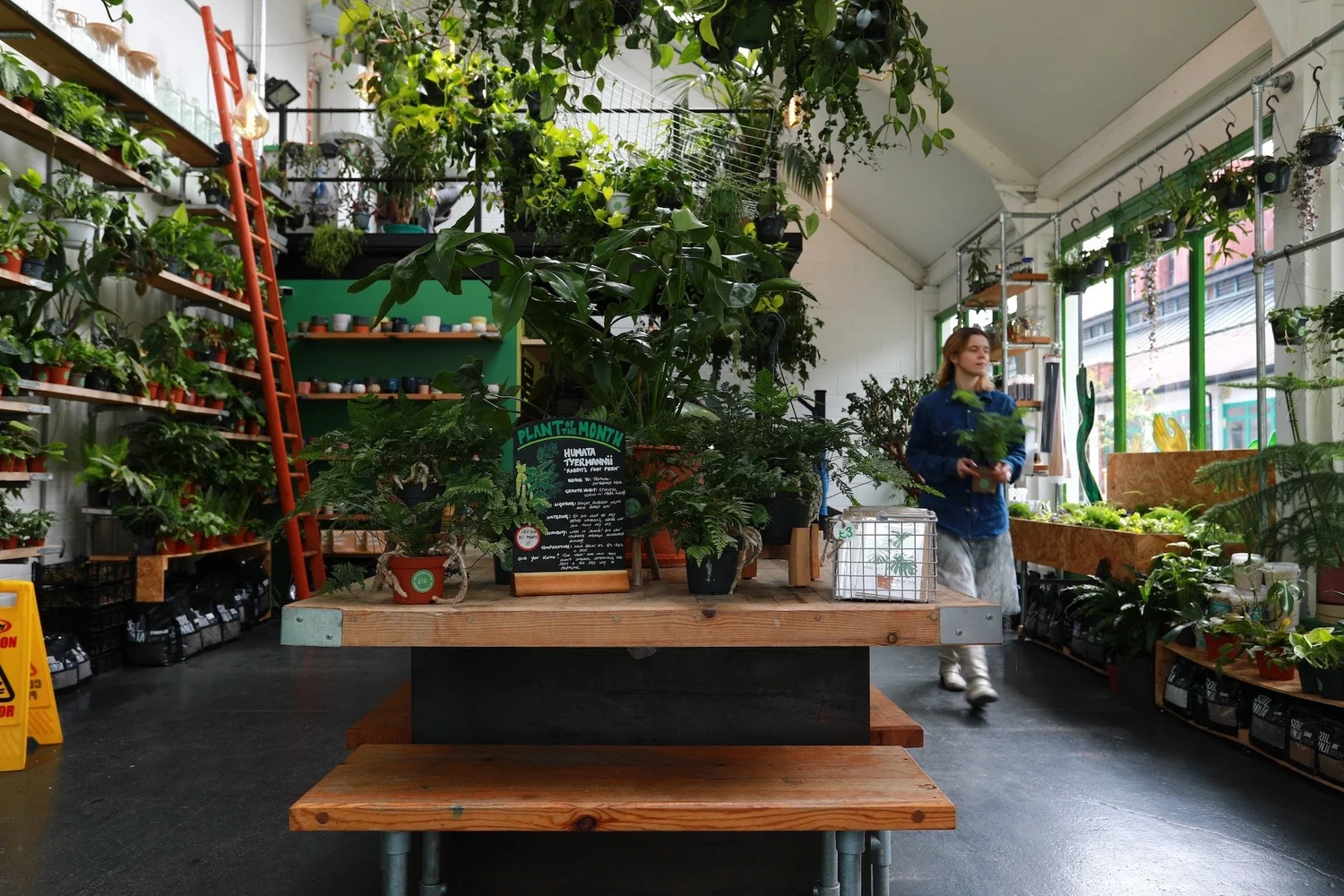
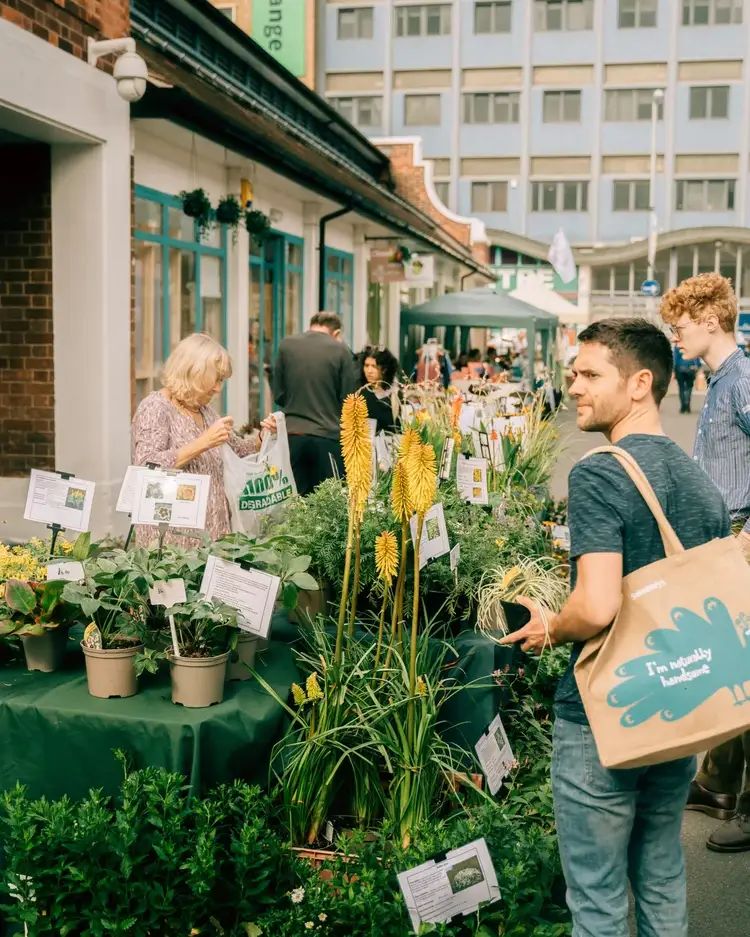
Images via Sneinton Market Avenues.
Some of what is gained is harder to measure. Research into historic places has connected them with stronger attachment, belonging, and care for the environments people value. Those bonds can come from memory and familiarity, but they can also be created through new experiences. A historic place remains meaningful when people can continue gathering there, developing relationships, and adding their own stories to its life.
Sneinton makes that idea tangible. The architecture remains recognizable across the Avenues, yet every unit has developed its own identity. The consistency of the original market buildings provides a framework for extraordinary variety: fashion, illustration, street art, food, music, plants, printmaking, performance, and craft.
Preservation has given people something sturdy to work within. They have answered by making the place uniquely their own.
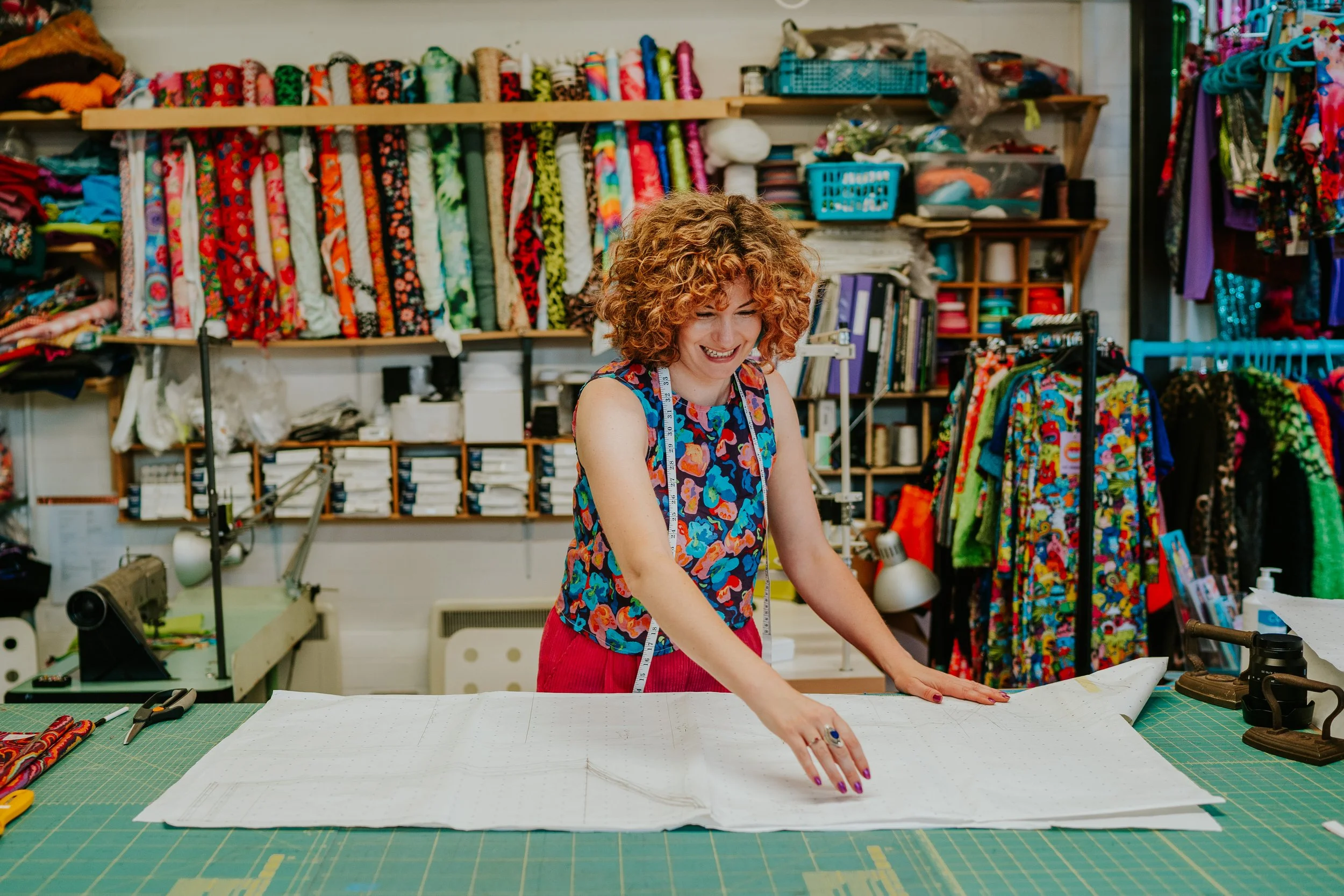
Photo: Megan Crook Textiles, a studio for color-filled, handmade fashion.
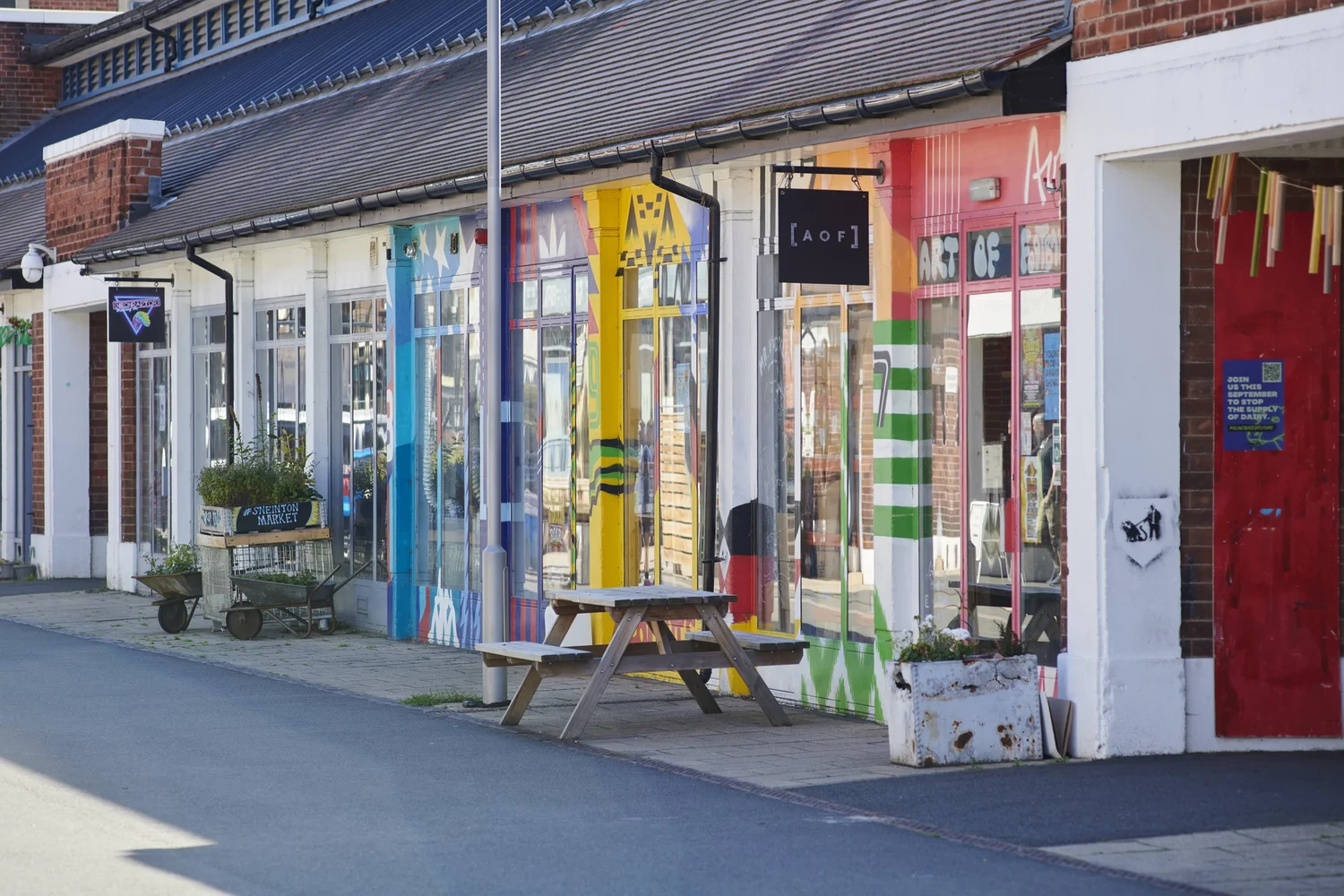
Photo: Sneinton Market, modern day. Images via Sneinton Market Avenues.
The Responsibility Within Reuse
Saving a building does not determine what kind of place it will become.
Decisions about the next life of a historic place influence who can use it, who feels welcome there, who gets to contribute to its identity, and who ultimately benefits from its renewal.
That matters because investment in a place does not automatically produce belonging. Research on equitable placemaking has found that redevelopment can strengthen social connection and quality of life when it reflects community priorities, while development focused too narrowly on financial return can deepen exclusion, create barriers to access, and displace the very people whose presence gave an area its vitality.
Successful stewardship therefore asks more of us than preserving the physical fabric of a place. It requires sustained attention to affordability, participation, access, and the distribution of its benefits.
The question becomes not only what we preserve, but what kind of life we make possible within what has been preserved.
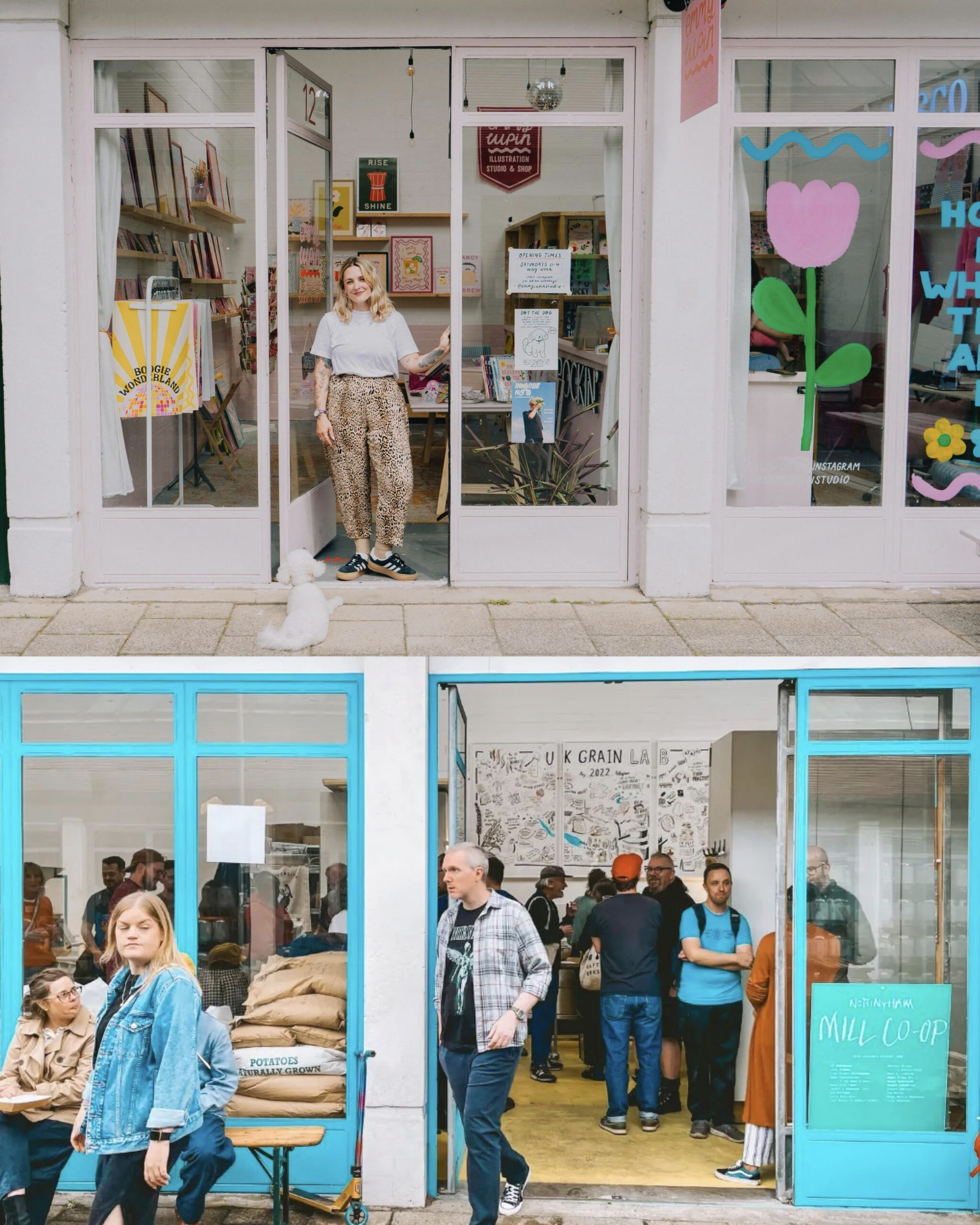
Photo: (Top) Emmy Lupin Studio storefront, via Emmy Lupin Studio. (Bottom) Nottingham Mill Co-Op storefront via The Notts Edit.
Bellforge’s responsibility is to approach this inheritance with care while preparing the buildings for a useful public future for the community and the greater region. The Lee Chapel and Infirmary are being adapted to support performance, visual art, learning, gathering, and creative exchange.
Their historic character will be meticulously restored, while the life within them will come from the artists, audiences, partners, neighbors, and communities who use them.
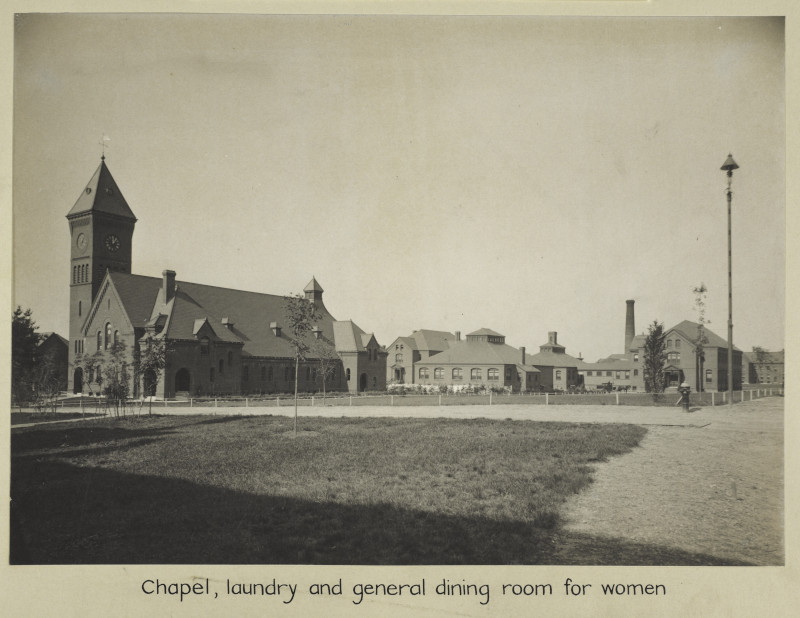
Photo: The campus of the Medfield State Hospital in 1903, featuring the exterior of the Chapel, women’s cottages and men’s cottages.
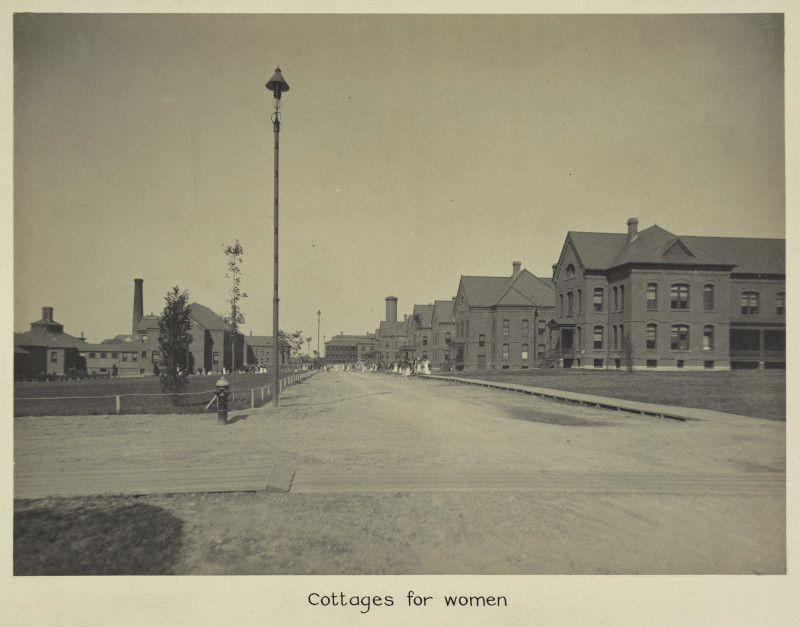
Images courtesy of the Harvard Art Museum, via Medfield Historical Society.
Four seasons of outdoor programming have already offered an early view of that possibility. People have crossed paths across the campus for music, theater, movement, reflection, food, celebration, and time in nature. Artists have encountered new audiences. Community organizations have brought their own knowledge and traditions into the work. Children have made things with their hands, strangers have shared space, and familiar grounds have taken on new associations through collective experience.
The completion of the buildings will give this activity a permanent home, although the measure of successful stewardship will continue to unfold long after the doors open. It will be found in the range of people who enter, the creative lives given room to develop, the relationships that grow across difference, and the extent to which this historic place becomes a useful and generous resource for the region.
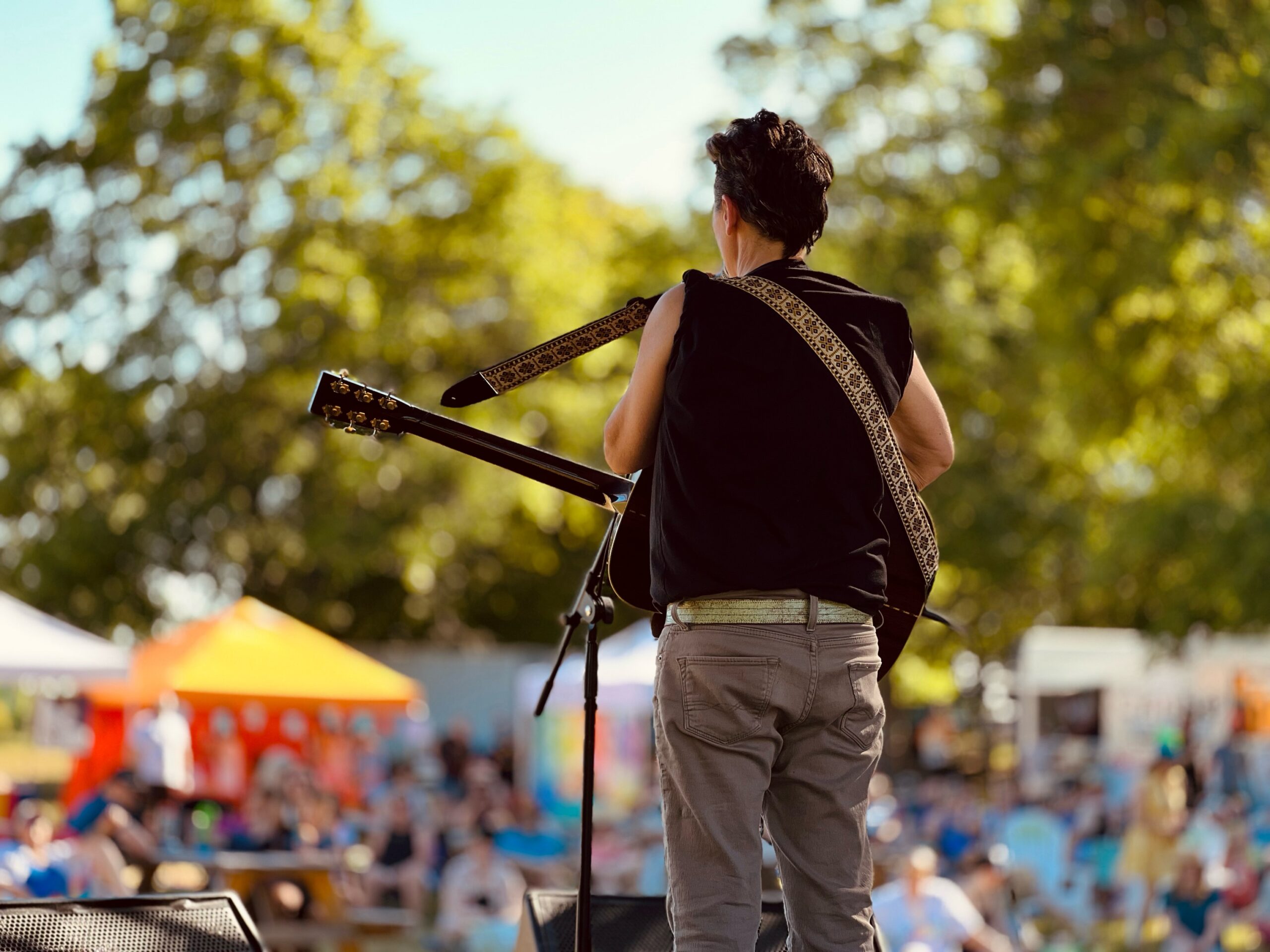
Photo: Melissa Ferrick performing at Bellforge’s Pride Festival in June 2026.
Carrying a Place Forward
At Sneinton Market, renewal can be felt at a human scale.
The history remains visible in the brick, repeating storefronts, and pedestrian avenues, while the present announces itself through every open door. Former market units have become places to work, make, eat, learn, sell, experiment, and spend time. Their continued use has brought economic activity back to the site, but it has also created the conditions for something less easily measured: an interconnected creative community that is distinctly of this place.
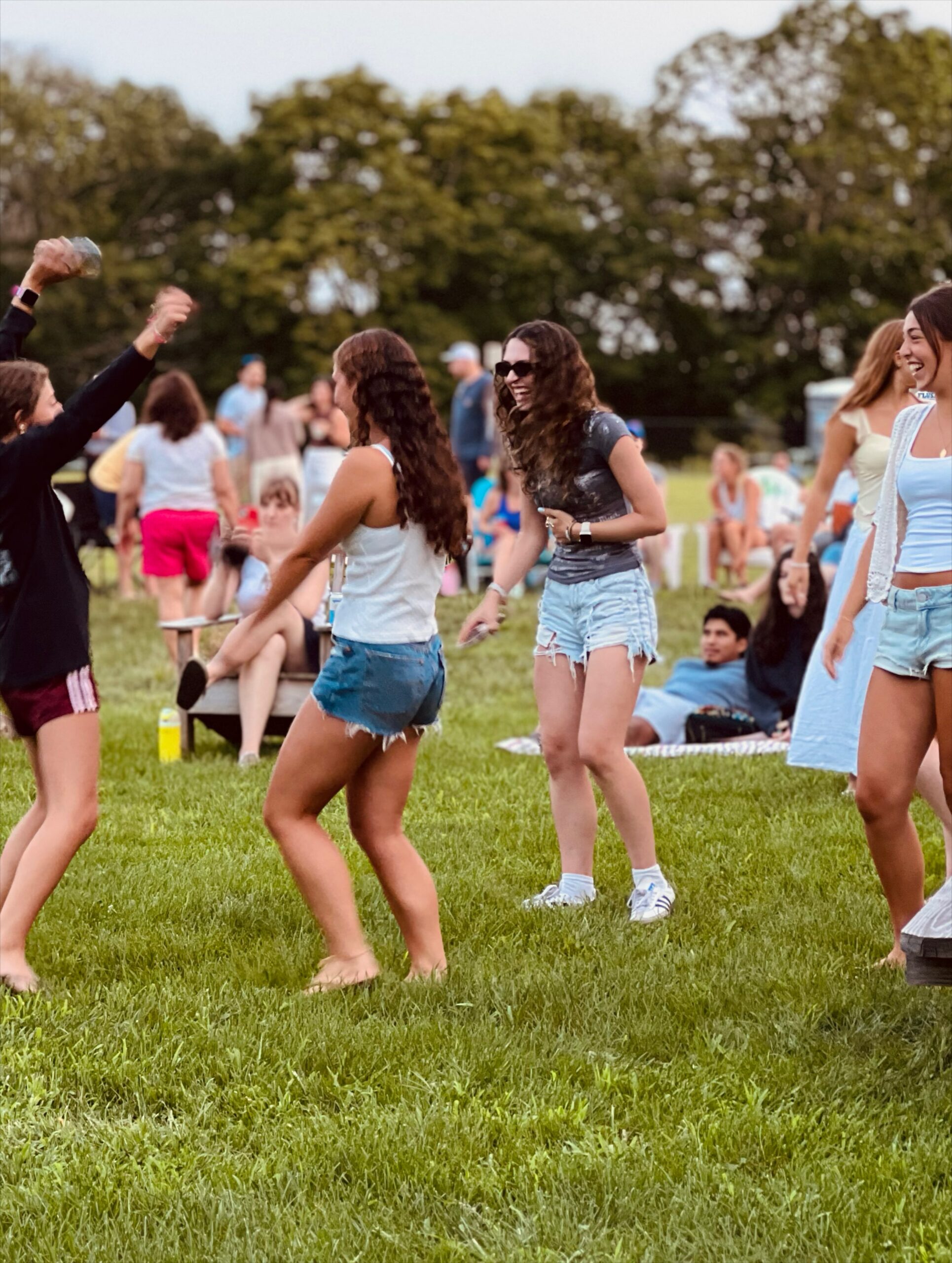
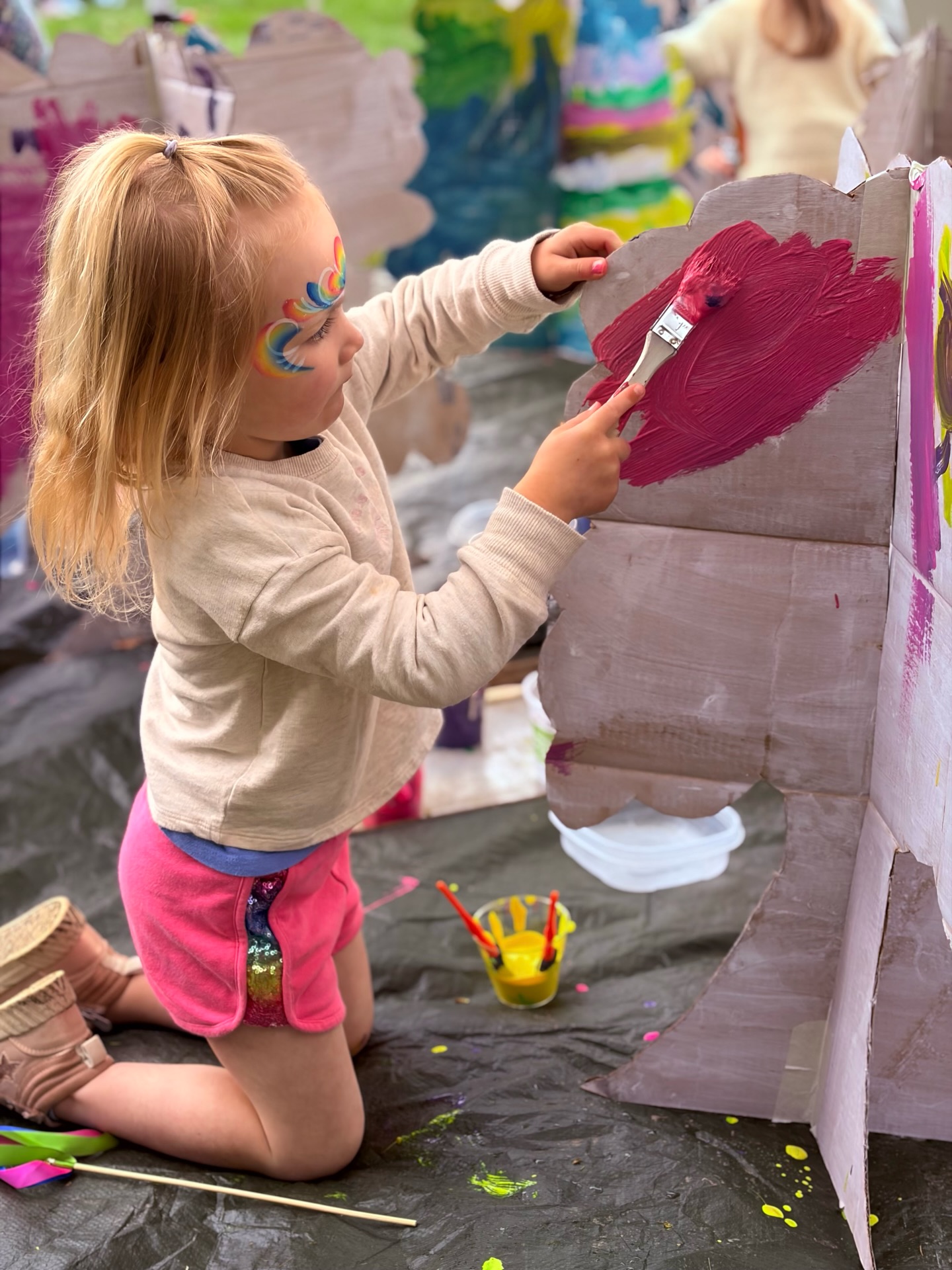
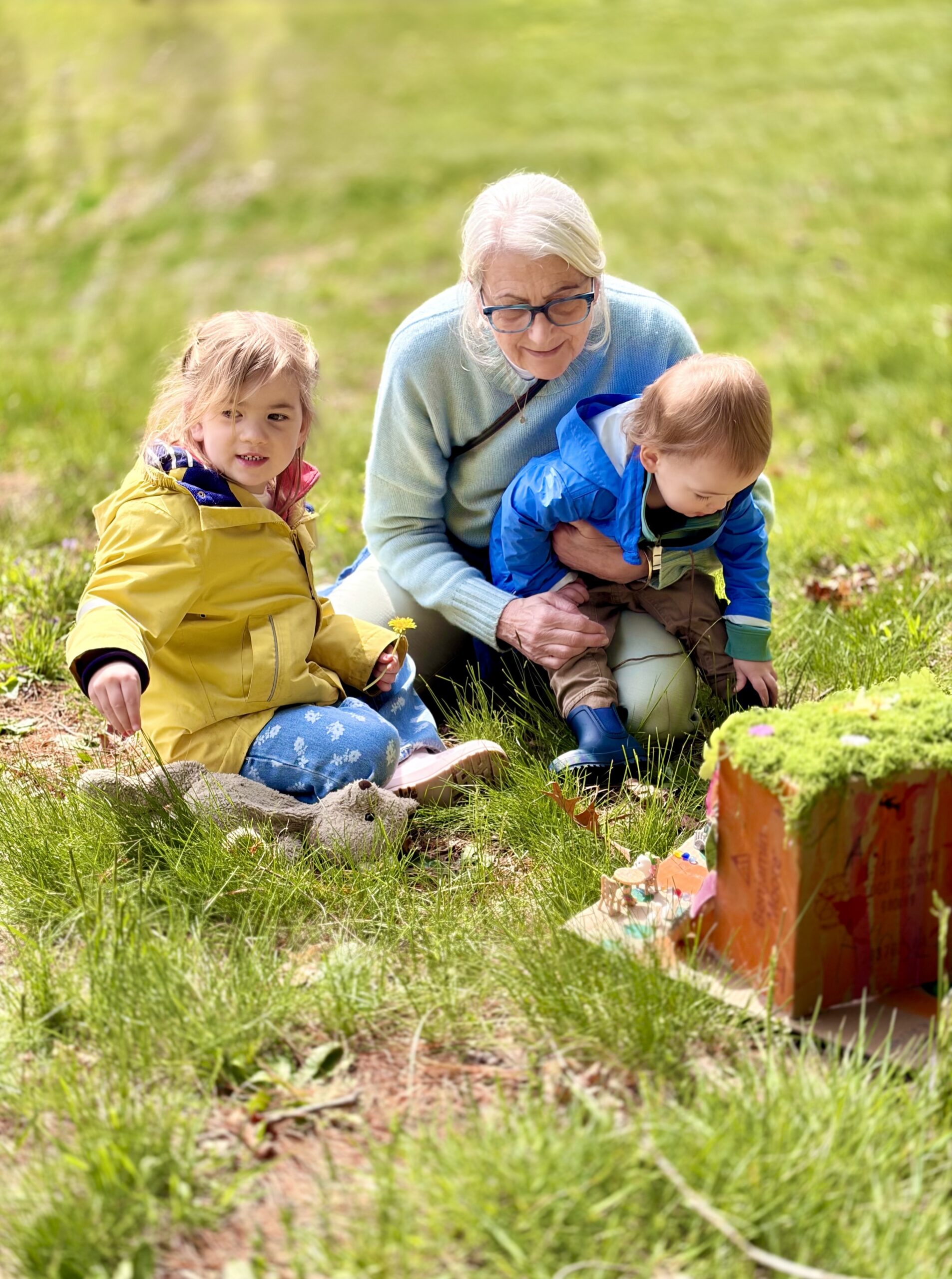
Photo: Scenes from the 2026 Spring and Summer season at Bellforge Arts Center.
That creative life is not incidental to Sneinton’s success. Artists, independent businesses, food, music, making, and opportunities to encounter one another are part of what makes a neighborhood somewhere people want to spend time — and, more broadly, part of what makes a city desirable to live in.
The buildings have endured, but their renewed life extends far beyond the people who occupy them. What happens inside draws people in, creating a place where creative work is made and shared, where people come to encounter it and one another, and where the exchange between the two gives the Avenues their life.
Perhaps that is one of the most compelling possibilities within adaptive reuse. The work is not finished when a historic building has been saved.
Related Reading
Bellforge recently appeared in two opinion essays exploring the stewardship of historic public land and the role adaptive reuse can play in giving significant places a productive future:
- “State Land Ownership Doesn’t Equal Stewardship” — CT Mirror
- “An Affordable Neighborhood on NYC’s Great Barn Island” — City Limits